Archive for the ‘Local SEO’ Category

Marketing With Google Local


 google 10

Does this look familiar?

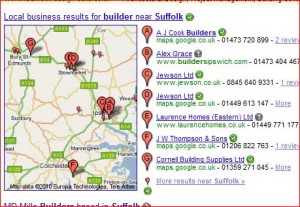
This is the Google 10 box that appears at the top of your search results. It shows 10 local businesses that relate directly to your search term (so in this case it is builders).

Ever wondered how companies get listed here? Or haven’t you given it much thought because you thought it was bound to be expensive?

Well here’s a news flash for you – your Google Local listing is free.

If this is old news to you and you’ve already claimed yours, well done you’ve taken the first step to boost your online visibility. But how are you using it?

Have you just claimed it and left it at that?

This listing is a great free marketing tool for your business.

When creating your listing you’ll have the opportunity to add video, photos, receive customer reviews and list events. All sorts of data that can be used to enhance your SEO.

Utilising all of these tools will help generate more business for you. And you can also manage its effectiveness through its analytics making it a tool that is:

  • Versatile
  • Free
  • Interactive

You can enhance it by getting customers to write a review, list new offers and events to keep it fresh.

It’s free so make the most of it. 

Using YouTube for Keyword Research


Sally Ormond, freelance copywriter, comments on Kieron Hughes’ post “Using YouTube as a keyword research tool for SEO” that appeared on SEOMOZ.org

videoWhen talking keyword research, most people think about what they’re selling (products and services) and probably their geographical location.

For many people, the primary tool used is the Google Adwords Keyword Tool. But there is another, frequently overlooked possibility.

YouTube.

Yes, you would normally associate YouTube with hours of entertaining videos (and some not so entertaining) but it can also be used as an effective keyword research tool. I first came across this idea when I discovered a post on SEOMOZ.org by Kieron Hughes – in his post he discusses the merits of using YouTube as a keyword research tool for SEO.

Uploading videos to YouTube couldn’t be easier. If you have a computer and internet connection, you’re in business. So how can it help with your research? Well it’s not actually the videos that help, it’s the descriptive content that accompanies them that is a gold mine of information.

In his blog post, Kieron uses the example of speech therapy to illustrate his point. By searching on YouTube he generated associated words such as:

•    Autism
•    Oral motor exercise
•    Chewy tube
•    Down syndrome
•    Oral motor therapy
•    Apraxia

This kind of detail wouldn’t be picked up through Google’s tool. When you’re researching for a client or for yourself, YouTube is invaluable as a research tool to help you uncover potentially lucrative keywords.

Because people from all walks of life use YouTube as a platform to share their knowledge and experiences it is a rich resource just waiting to be tapped into. These users are also the ones who use the search engines daily and so are invaluable sources of information.

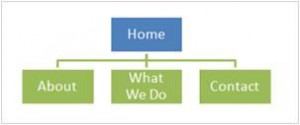
By using YouTube you could change your initial site navigation from:

YouTube as keyword tool

To something that reflects your industry with greater SEO potential:

enhanced navigation

Next time you need to do some keyword research remember to take a look at YouTube as well. Added to your other research material, it will help you develop an intricate SEO strategy that will get your business noticed.

Google Instant Preview

The SEO Low Down

Google is constantly changing. It loves to keep internet marketers on their toes by changing the goal posts every so often.

One of the most recent changes that you’re bound to have noticed is the introduction of Google Instant Preview.

Now, when you enter a search term in the Google search box, each of your results will have a little magnifying glass next to it. Designed to help you search smarter, by clicking on the magnifying glass you bring up a preview of the web site so you can see in an instant whether it’s going to be of interest to you. Google instant preview
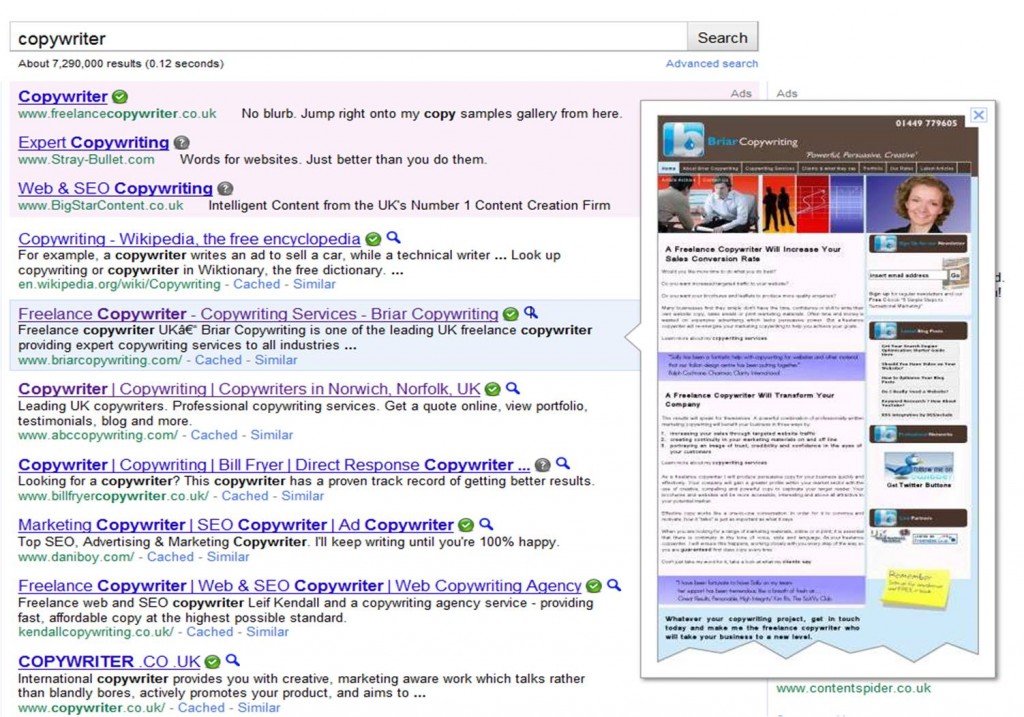
So now, rather than having to open a site, scan it, realise it’s not for you, hit the back browser and start all over again – you can scan the results without leaving the page to find the website that’s going to offer you what you’re looking for.

How does that effect SEO?

Well, to be honest, no one is really sure at the moment. But what it does mean is that you have to be sure your website is maximised to attract the click-through. Basically you have to make sure that the preview gives them the information they need to choose you.

Here are a few things you can do to tip the balance in your favour:

Say farewell to flash

As you know, flash is not good for SEO because the search engine spiders have a tough time crawling it and are unable to distinguish between normal text and the more prominent heading text (i.e. H1, H2 tags etc.)

An added complication now arises with the arrival of Google Instant Preview because the Preview can’t render the flash element of your website leaving it looking rather distorted and unattractive.

Basically if you want your website to shine, ditch the flash.

META Descriptions

You already know that your META Description doesn’t have a direct effect on your SEO as far as ranking position goes. But it comes into its own when it comes to attracting click-throughs.

The 150-160 characters must convince the searcher that your website is worth checking out because it offers the information they need to know. If you want your magnifying glass to be clicked make sure your META Description tells them what they need to know by including your keywords.

Headings

The size of the preview means the reader isn’t going to be able to make out all the text on your website. That’s why it’s imperative that you use good, descriptive headings within your site that contain your keywords.

By acting as sign posts, they will show the reader what information is available on your web page so their decision to click will be based on what they can see – your headings, layout and images.

Images and Alt tags

Using the right images can make your website. They should be relevant and interesting enough to lure your reader in. Also, to give your SEO as much of a boost as possible, you must also ensure you utilise their Alt tags and filenames making them descriptive, relevant and contain your keywords.

It doesn’t matter what line of business you’re in - a copywriter, electrician, solicitor or builder – these 4 techniques will help boost the attractiveness of your website.

In the ways of the web, looks and substance are both needed if you want to attract traffic. Remember the preview shows only a reduced scale version of your website so you’ll needs as many visual cues as possible to get the click.

Article Marketing–Quantity or Quality?


articlesIf you’re into search engine optimisation the chances are you’re also a keen article marketer as it’s one of the most effective ways of boosting your web presence.

Not only will it help you ‘own more of the web’, it will also position yourself as an expert in your field and generate those all important back links to your website.

But your article marketing will only be effective it if is quality content that you’re putting out. It must be:

  • Well written
  • Written to addresses the needs of your readers
  • Something that gives value

In a rush to produce shed loads of links, some companies become hung up on quantity rather than quality. They’d rather spend only a few pounds per article (these are written by writers who are frequently based abroad and for whom English is not their first language) than pay a decent fee and hire a professional copywriter.

It shouldn’t be a numbers game

It’s true that you need a lot of articles to build links but it’s better practice to submit quality, well written articles over a period of time than bulk submitting sub-standard ones.

Putting a considered, well researched and well written article together isn’t about scanning the internet and cutting and pasting bits from other articles. A copywriter will take the time to discover:

  • What topic is to be discussed
  • The focus of the discussion
  • Who your audience is
  • What they are looking for
  • What tone should be used
  • What do you want to achieve with the article

It’s your reputation at the end of the day

If you are entering into the article marketing world, what you submit and its quality are very important.

You’re putting your name to it; you’re using them as a way of establishing yourself as an expert. Sub standard articles will just make you look foolish.

Remember that your articles aren’t just about link building—people are actually going to read them. Can you really afford to be that careless with your brand?

You get what you pay for

As with all things in life, you get what you pay for so if you want quality you’re going to have to pay for it.

If you are more interested in your reputation, traffic and quality you’ll pay for it.

You’ll want to get the most from your marketing budget, but just make sure you also think about your reputation.

How Not to Link Build


linkYou’ve done your keyword research, you’ve designed your website so it’s easy for your readers to navigate, you’ve even found an SEO copywriter to write some great, targeted copy that your visitors will want to read. So what’s next?

That is just the start of your search engine optimisation strategy, if you want it to continue to work and bring in great rankings you’re going to have to become an active link builder.

How do links help?

Let’s go back to the beginning. Every web page is given a Page Rank (a number ranging from 0 to 10 to illustrate your page’s value with 0 being the lowest).

When another page links to you (using a follow link), a little bit of that Page Rank filters through to you (link juice) because it’s seen as a vote of confidence in your page. So the more quality links you get to your website, the higher your Page Rank and the more authoritative you are seen by the search engines.

So how do you get links?

First off, gathering links can a slow and lengthy process (and a continuous one). The best way by far to link build is by doing it organically.

How do you do that? Well it’s by:

  • Writing interesting content that people will want to link to
  • Submitting your website to directories
  • Blogging and linking back to your website through your posts
  • Article marketing

It’s time consuming and slow, but you won’t get Google’s back up.

Is there a quicker way?

Yes there is but I wouldn’t recommend it. Short cuts are never a good idea so don’t buy in links you could be asking for all sorts of trouble especially as you’ll be going against Google’s guidelines and could risk your website. If you don’t believe me take a look at Julie Joyce’s post on Search Engine Journal entitled 4 Huge Mistakes to Avoid When You Build Links“.

If you’re serious about SEO, your website and your reputation, go organic – it’s the only way.

Building Links For SEO


linkSearch engine optimisation – three words that can fill any internet marketer with dread.

If you opt for the PPC (pay per click) route, you may see faster results but you’ll also experience the high price tag that tends to come with it. SEO may be slower but it’s a more economical long term solution.

To get an SEO strategy that works, you’ll need 3 things:

  • An SEO friendly website that is easy to navigate (for the reader and search engine spiders)
  • Great content written by a professional SEO Copywriter
  • Back links

Yes, I know what you’re thinking but it really will pay to get experts in to help you with the first two on the list.

Many business think they can generate their own copy. But there is a real art to writing to sell on the web and writing something that is going to help with your SEO. I am an SEO copywriter and therefore you probably think I’m just trying to scare you into hiring me (or someone like me) but I’m not. Ask your web designer’s advice and he/she will tell you exactly the same thing.

To get a website that works, converts and ranks you must have all three elements listed above.

So what about backlinks?

When it comes to building backlinks, you must think long term.

There are companies out there who will help you buy links but that often causes more harm than good. The best option is to do it yourself – it takes time and you may need to have a couple of people working on it for you, but it’s by far the best way to go.

I stumbled across this post on Seomoz.org which gives an example of how this can work. Take a look at Rob Ouseby’s post “Create A Link Building Team Within Your Organisation” and see what tips you can pick up to make your whole organisation a continuous link building machine.

Remember a good SEO strategy is on going and involves a well structured website, professional SEO copywriting and continuous backlink building.

Get To Grips With On Page SEO


grip

Every business with a website is after good Google rankings.

With more and more people turning to the internet for goods and services, you’ve got to be listed if you want to be found. Which means your listing has to be on the front page.

The copy on your website has to contribute to getting great rankings and it has to be interesting and relevant to your reader. That’s a tough combination to achieve which is why it is vital your business invests in the services of a good SEO Copywriter who really knows what they are doing.

SEO Cheatsheet

If you are still determined to do your website copy in-house, you’re going to need some help. Luckily I stumbled across a post on Conversion Marketing which will help you out no end.

If it’s your job to manage what appears on your website (images, articles, web copy etc.), this post is for you. If you’re not email the link to this for the person who does – they’ll thank you forever.

Conversion Marketing have put together a great On Page SEO Cheatsheet. It tells you how to get the most from your website’s on page search engine optimisation elements:

image

You can get your very own copy by clicking here and downloading the PDF.

Now you can discover how web pages work in the SEO arena and help optimise your own to give your Google rankings a boost.

Making The Most of Local Search Marketing


The days on the Yellow Pages and Business Pages are fast diminishing. More people today turn to the search engines to find local service providers and products.

Therefore getting to grips with local search has never been so important. How geared up it your website and online marketing activities up for local searches?

The best way to make the most of your local search potential is to own as much of the web as possible.


Boosting your online presence

One of the best ways to boost your profile online is to increase the number of web pages you have. That doesn’t mean to say you need a hulking great big website that’ll cost a fortune, but rather a number of pages that relate to your business.

Let me explain.

You can use the power of other websites to increase your online presence. This can be through using Web 2.0 sites such as Squidoo or Hub Pages or other ‘directory’ style sites such as www.myProSpot.com.

This is just one example of a ‘directory’ style website you can utilise to boost your online presence. It allows you to add your company details as many directories do,but by becoming a Platinum member (the site also offers a free membership) you can grab yourself a micro site for your company.

Here’s the one I set up for my freelance copywriting business. Now, not only do I have my own copywriter website, but I also own more of the web through my myProSpot web pages.

myprospot

These sites are brilliant for local businesses because they allow you to own much more of the web cheaply. Not only will it help with your SEO, it also has great features such as customer feedback – so you can compete against the big boys through your feedback.

About 40% of all small businesses don’t have a website

Considering the online age we’re living in, that’s a very scary statistic. But why should it be like that? Even if you don’t have the budget for a stand-alone site right now, utilising a site like myProSpot will get you online – fast.

t really is worthwhile looking into setting up profiles on sites such as this one – there are plenty out there.

SEO–7 Things You Should Know


Search engine optimisation – love it or hate it, it’s here to stay so you’d better get to grips with it.

Before you ask, no I wouldn’t call myself an SEO expert.

So why am I writing this post about it?

Well, I am a pretty good SEO Copywriter – what makes me so sure? Well my own site is on the front page of Google for the term copywriter which is very competitive (getting on for 7 million search results) as well as several of my other keywords. Plus a number of my clients are also enjoying front page rankings.

If you think writing SEO content is about throwing a load of keywords together, you’d be wrong. There’s a whole lot more to it than that.

To guide you through the mine field that is SEO, here are 7 things you should know about SEO content if yours is going to work:

1. The importance of content

Writing good content isn’t just about rankings.

Your content should always be written for your reader first and search spiders second. It must be interesting and relevant because you want people to link to you (a big part of any SEO strategy) - back links are vital for good rankings.

Your identified keywords will have to be in your content, but they must be used naturally. Cramming them in your copy will make it unreadable and spammy. Make it natural and read it out loud to make sure it flows - readability is everything.

2. Attention grabbing

Headlines are great for grabbing your readers’ attention. They must be relevant to your copy and journalistic in style – you need to grab their attention and make them want to know more. It’s also vital you get your primary keywords into them too.

3. A great bio

To make your articles, blogs and directory submissions work hard for you, make sure you add a good biography. Make it interesting and use your keywords.

4. META

META descriptions are often overlooked – they are the 150 characters used to describe your content. Include your keywords so your reader can instantly see whether your content is going to be relevant to them or not. It won’t directly influence your SEO but it will show readers that your site is very relevant to what they are looking for and therefore attract that all important click-through.

5. Layout

How your web copy, articles and blogs look is vital. Make sure there’s lots of white space so they are appealing to the eye and easier to read. Headings and sub headings can be used to direct the reader through your text. When using headings make sure you use the correct tags and in a hierarchical order. H1 tags are your main headings; your sub headings should be H2 etc. And of course, always use your keywords where possible within the headings.

6. Be original

Coming up with continuous and original copy isn’t easy and the temptation to recycle is great. But don’t – Google won’t like it so make sure all your content is original. 

7. Pictures

Images are always a great way to enhance your copy so make sure they’re relevant to your content and make sure you utilise the ALT tag to make the most of their SEO potential.

Why do you need to know this?

Many people believe SEO is all down to keywords and content. In part it is, but your SEO strategy should encompass so much more. You have to think about readability, links, images as well as the navigability of your website (for humans and search engine spiders).

Thinking SEO copywriting is an expense you can do without is rather short-sighted. Investing in well written SEO copywriting is vital for the success of your online marketing.

Using Local SEO Copy on Your Website


If you are a business owner looking to get into online marketing and, in particular, search engine optimisation, don’t forget to think local.

More and more people are searching for local companies through the search engines so it’s never been more important to ensure you have a strong local SEO presence on the web.

Many companies concentrate their SEO efforts on fairly generic terms that relate to their products and services but forget about their geographical details.

With the advent of increased and improved mobile search, it is vital you stand out in your local area. And the best way to do that is by utilising the power of local search.

Location, location, location

If your company covers a specific geographical location, make sure those details are added to your HTML through page titles. You should also try and use these details within your copy and headings but be sensible.

Remember you are first and foremost writing for your reader – if you over do it, the page will look clumsy. Other areas for location information are within the footer along with your address and also within your internal hypertext linking structure. Instead of linking freelance copywriter, use a geographical reference such as Suffolk freelance copywriter.

YouTube

You can also boost your online presence through marketing. Upload your video to YouTube and then use very localised tags – without being spammy. The chances are (depending on the competitiveness of your keywords) you’ll be able to get these ranked and the more entries you can get on a front page local search results, the fewer your competitors can have.

Wider areas

If your business covers several geographical areas you could consider creating specific landing pages for each area. They should have unique content (you don’t want to fall foul of the duplicate content trap) and optimised for each specific area. Hypertext links within these pages can then drive your visitors to your main website.

Boost your profile

Social networking sites make it easy to spread your business name to a wide audience. Set up social media profiles which relate to your geographical region. But, as with the landing page content, make sure each description is different. You should also utilise Google Places, Yahoo local, and Bing Local to boost your local profile.

Remember to always think local by adding location modifiers to your keywords.

Related Posts with Thumbnails