Archive for the ‘search engine optimisation’ Category

Don’t Be An SEO Black Hat


Are you being tempted by the dark side?

Are you looking for great results without the hard work?

If you are, you are heading for a very big fall because the grass most certainly isn’t greener on the dark side.

As an online marketer, search engine optimisation is vital for your survival. But the only effective way to boost your visibility is through an effective, white hat SEO strategy.

It’s not a quick fix, it’s a long term solution that needs constant nurturing. So if that sounds like too much like hard work to you, perhaps you’d better rethink your online marketing  career.

Creating a winning SEO strategy

If you’re hoping that I’m now going to say I was just kidding and you can achieve great rankings really easily – you’re going to be disappointed.

To be an SEO winner you’ll need the following on your shopping list:

  • Well researched keywords
  • A professionally designed website by someone who understands SEO
  • A professional SEO copywriter to create reader-friendly copy
  • A link building strategy

SEO is a slow burner – overnight results are unlikely (but not impossible, that depends on the competitiveness of your keywords) but if you keep at it and maintain your strategy’s momentum, you’ll get long lasting organic results.

And organic results means no hefty pay per click bill every month.

Creating a losing SEO strategy

If all of that seems like hard work to you, there are some techniques you can adopt to cut corners.

Of course, if you do that you will also encounter the wrath of Google which is never nice. Plus, your website will probably look shocking, read abysmally and will never convert a visitor in a month of Sundays.

Those lovely people at SEOmoz have produced a list of 32 SEO tactics to avoid. These are all black hat techniques which must be avoided at all costs.

Grab yourself a coffee and have a read through them and make sure your strategy is above board and whiter than white.

Some of the comments are really interesting too.

Over to you

What has been your most successful SEO strategy?

Please leave a comment and share your experiences.

Becoming a Better Blogger


You’ve heard it time and time again that blogging will help your business’s online exposure.

You’ve probably got your blog set up ready to go but there’s a question lurking in the back of your mind…

How do I start blogging?

If you’ve got this far you’ve probably already answered the question “why do I want to blog?” Just in case you haven’t, you need to think about it carefully.

A blog is an online platform from which  you can give your opinion and offer tips and advice. It will add value to your customers and provide a rich source of back links for your website.

If your answer was “because everyone else is doing it”, forget it. Blogging takes stamina – it’s not something you can do every now and then. If you want it to be effective you have to blog regularly – and that means at least weekly.

To illustrate this point you may be interested in a post that I came across on socialmediaexaminer.com outlining The 5 Pillars of Business Blogging Success which shows that blogging is about far more than writing random posts and sending them out into cyberspace.

In essence you must:

1. Plan  - define your target audience and write for them using your chosen keywords. Decide why you’re blogging and what you want to achieve from it. 

2. Content -  write your posts in simple language (no jargon). Make them interesting and relevant to your audience and pay attention to your headings to make sure they’re eye-catching.

3. Design – looking at the bigger picture, the design of your blog should be attractive and make people want to hang around. Make sure it’s clean and uncluttered.

4. Marketing – if you want people to read your blog you have to tell them it’s there. Promote your post through social media and get an RSS feed showing the latest posts of your website.

5. Engage – write to your reader (use the second person). This makes it personal to them as though you are confiding in them.

There’s a lot to think about when blogging.

If you are going to be successful you have to be committed and be able to generate a constant stream of valuable information.

Not only will it benefit your customers by giving them advice and tips it will also help your SEO strategy by building links to your main website.

Have you had success blogging? If so leave a comment and share your experiences.

How to Blog Eternal


cerealAre you a serial blogger?

You know, the type of person who churns out a post, forgets about it and then churns out the next.

The content you produce for your blog is very valuable so you must make the most of it. Unlike other forms of communication, a blog post won’t disappear or be used as tomorrow’s chip wrapper.

Once you’ve hit ‘publish’ it’s up to you to make the most of that content and keep it alive.

If you want a long shelf life on everything you post, follow these 6 simple steps.

1.  Follow up

The world is constantly changing so your original blog post may need updating at some point.

Rather than going back to it and adding new information, write a follow up post and link it back to your original one. This will help drive traffic to your existing content as well as add value to your reader by updating them on new ways of thinking.

2. Internal links

If possible, relate new posts to old ones by linking to them, especially if they are linked by subject or (as in the case of number 1) are providing extra/updated information.

3. Re-Tweet

Twitter and blogging go hand in hand. It’s a great way to promote your content to a wider audience and a way your readers can spread the word for you by re-tweeting it.

Plus, you can always breathe life into past posts by tweeting them from your archives, especially if their content is relevant to something happening in the news.

4. Repurpose content

As you’ve spent time creating the content in the first place, why not reuse it? Spinning it into an article will help get your name out there as an authority on your topic. Plus using keyword rich links back to your website will help your SEO strategy.

5. Optimise

SEO isn’t just for your web copy. By targeting specific keywords within your blog posts you can drive targeted traffic to your blog. Choose well and your blog post could remain a prominent fixture in the search engine results for a long time.

6. Newsletters

Companies that send out monthly newsletters often find it difficult to come up with content. Well, if you blog, why not use some of your posts as the basis for news and information?

All you have to do is use a snippet of the text and add a ‘read more’ link to take your reader to the original post. This is a great way to pass on valuable information and boost your blog’s readership.

Blogging generates great and valuable content so make the most of it.

Do you have any other ways of making the most of your blog posts? If so leave a comment and share your ideas with us.

Marketing With Google Local


 google 10

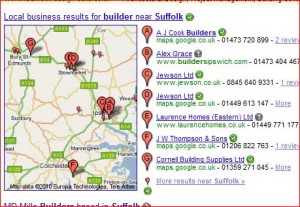
Does this look familiar?

This is the Google 10 box that appears at the top of your search results. It shows 10 local businesses that relate directly to your search term (so in this case it is builders).

Ever wondered how companies get listed here? Or haven’t you given it much thought because you thought it was bound to be expensive?

Well here’s a news flash for you – your Google Local listing is free.

If this is old news to you and you’ve already claimed yours, well done you’ve taken the first step to boost your online visibility. But how are you using it?

Have you just claimed it and left it at that?

This listing is a great free marketing tool for your business.

When creating your listing you’ll have the opportunity to add video, photos, receive customer reviews and list events. All sorts of data that can be used to enhance your SEO.

Utilising all of these tools will help generate more business for you. And you can also manage its effectiveness through its analytics making it a tool that is:

  • Versatile
  • Free
  • Interactive

You can enhance it by getting customers to write a review, list new offers and events to keep it fresh.

It’s free so make the most of it. 

Become a Blogging Expert


confusedreuniformAre you looking for some blogging advice?

Be yourself.

The mistake many people make when starting their blog is they try and emulate their blogging heroes. There’s nothing wrong with turning to them for inspiration but your blog should be a reflection of you and not a poor imitation of one of the blogging greats.

Your blog is your opportunity to publish your thoughts and opinions and share information with others.  

Moving from novice to expert

Making the transition from a novice blogger to an expert is a gradual one. It’s not something that will happen over night but here are 4 simple things to remember which will help you reach expert status.

1. Be unique

By being yourself and not trying to copy someone else’s style, you’ll be offering something unique. There’s only one you so use your individuality to your advantage.

There’s nothing wrong with reading other blogs to see what people are saying and to get inspiration but make sure your posts reflect you. That way your readers will get to know you.

2. Be regular

That doesn’t mean you should dash out and stock up on prunes. As your blog readership grows your audience will get to know when you post – so find a frequency that works for you and stick to it. 

And don’t forget that if your readers take the time to leave a comment on your blog (that’s not spam) respond to it. Even a simple ‘thank you for your comment’ shows that you care and enjoy interacting with your readers. .

3. Be personal

Letting your personality shine through your writing will help you connect with your readers. If you’re writing about something that’s happening in your industry include your opinion or relate it to something that’s happened to you. 

Make sure you don’t post in haste. At times people will wind you up but it you immediately write an emotional post in response you may regret it. Always think before you publish.

4. Be attractive

It’s the content of your posts that will connect with your readers but your blog still has to look inviting. With a vast array of free templates out there, there’s bound to be one that suits you. But try and keep it simple and unfussy – less is most definitely more.

Blogging is a great way to engage with people, voice your opinions and share information. I’ve been blogging for 3 or 4 years. It has helped me develop as a writer, put me in touch with some amazing people and it’s proven to be a valuable part of my search engine optimisation strategy for my business as a copywriter.

What are you waiting for? Start your blog today by using a platform such as Word Press or Blogger and start writing.

Using YouTube for Keyword Research


Sally Ormond, freelance copywriter, comments on Kieron Hughes’ post “Using YouTube as a keyword research tool for SEO” that appeared on SEOMOZ.org

videoWhen talking keyword research, most people think about what they’re selling (products and services) and probably their geographical location.

For many people, the primary tool used is the Google Adwords Keyword Tool. But there is another, frequently overlooked possibility.

YouTube.

Yes, you would normally associate YouTube with hours of entertaining videos (and some not so entertaining) but it can also be used as an effective keyword research tool. I first came across this idea when I discovered a post on SEOMOZ.org by Kieron Hughes – in his post he discusses the merits of using YouTube as a keyword research tool for SEO.

Uploading videos to YouTube couldn’t be easier. If you have a computer and internet connection, you’re in business. So how can it help with your research? Well it’s not actually the videos that help, it’s the descriptive content that accompanies them that is a gold mine of information.

In his blog post, Kieron uses the example of speech therapy to illustrate his point. By searching on YouTube he generated associated words such as:

•    Autism
•    Oral motor exercise
•    Chewy tube
•    Down syndrome
•    Oral motor therapy
•    Apraxia

This kind of detail wouldn’t be picked up through Google’s tool. When you’re researching for a client or for yourself, YouTube is invaluable as a research tool to help you uncover potentially lucrative keywords.

Because people from all walks of life use YouTube as a platform to share their knowledge and experiences it is a rich resource just waiting to be tapped into. These users are also the ones who use the search engines daily and so are invaluable sources of information.

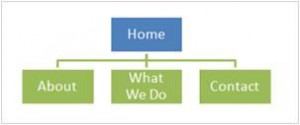
By using YouTube you could change your initial site navigation from:

YouTube as keyword tool

To something that reflects your industry with greater SEO potential:

enhanced navigation

Next time you need to do some keyword research remember to take a look at YouTube as well. Added to your other research material, it will help you develop an intricate SEO strategy that will get your business noticed.

Blogging–Optimising Your Posts


Blogging is an excellent way to boost your business’s online presence.

Yes it takes time but, believe me, it really does work. I’m a copywriter and have been blogging for several years now and it has really helped be cement my position within the Google rankings.

Blogging means you are constantly putting fresh content out onto the web. This constant content feeding generates traffic which is vital for your search engine optimisation strategy.

As you know SEO is all about getting found on the web for your chosen keywords. So by writing your blogs in line with your SEO strategy (i.e. using the keywords you want to be found for), you’ll attract readers and as a result, visitors to your website.

To help you get the most out of your blog posts and their SEO potential I have put together the following 5 tips.

1. Quality content

People want quality. They want to spend their time reading something interesting, informative and helpful. By adding value to them in this way, you’ll strengthen your relationship with them . That will keep them coming back for more and help build those very important back links.

2. Keywords

Of course great quality content is useless if you’re not targeting the right audience. Once you’ve written your post, read it and think about what terms your reader would use to search for it. The primary keywords tend to be quite obvious, but other terms are not so clear-cut.

There are various tools you can use to identify your keywords such as Google’s keyword tool. To find associated words, tools such as the Google Tilde search are useful but there is also another more visual tool you can use.

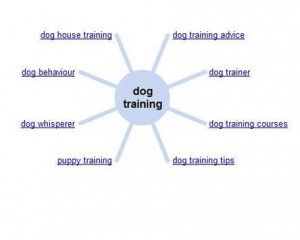
Try Google Wheel. When you’ve entered your search term into the Google search box, if you look to the left of your screen you’ll see Wonder Wheel.

GoogleWW

If you click on this it will produce a wheel diagram with your main search term in the centre (in this case ‘dog training’) with associated terms around it:

Googlewheel

You can then click on any other outer terms to receive further results:

extendedww

3. META Titles and descriptions

The META title and description are there to tell both the reader and search engine spiders what your posts is about. If you use the WordPress.com platform for your blog you can use the All in one SEO Pack to specify these fields.

When writing your titles and descriptions make sure your keywords are near the beginning. There is also a character limit for each (Titles – 72, Description – 165) so you’ll have to carefully plan your words.

4. Links

Both internal and external links are important when writing your posts. Your internal links (utilising related keywords) link out to other posts, while external links take the reader to other related websites. In both cases make sure you use keyword rich links rather than something like ‘click here’ which has no value.

Your external links can also be used to encourage inbound links from other websites as ‘trackbacks’ inform that web owner you have linked to  them. Therefore they may in turn link to your posts.

5. URL

The last item on my list is your URL. This I the web address used to link to your post. Make sure you use your keywords within this as it will instantly show the relevance of your post.

Make sure it is meaningful.

By utilising each of these techniques and tools, you will produce meaningful, interesting blog posts that will be found through the search engines. Not only that, but by ensuring you create quality content you will attract links and build your reputation as an expert in your field.

Blogging is an excellent way of getting your voice heard.

Video Marketing on Your Website


videocameraThe first thing your website has to do is engage your reader.

Granted, the design of your site and its copywriting will go a long way to persuade your reader that you are the company for them. But how about getting a bit more personal?

Be visual with video

More and more companies are using the power of video within their websites. It seems to be one of those things you either love or hate. But if you’re undecided here are a few things to think about.

1. Getting personal

A corporate video (especially if you’re on it) is a powerful way of conveying your (or your company’s) personality to your viewer. Many videos use images and a voice over which are good but nothing beats a video showing you talking to your viewer.

By directly speaking to your customer, you will make an instant connection and they will feel as though they already know you when they decide to do business with you.

2. Product insight

Videos are also a great way to introduce people to your products and services.

Instead of having to read all about them they can simply watch your video. You can also use them as ‘How to’ guides which will add value to your relationship with them.

3. Innovative

Video is also still seen as a fairly forward thinking kind of marketing, making your organisation look cutting-edge and innovative – one that thinks beyond the normal limits of marketing.

4. Search engine optimisation

Of course, one of the main benefits is that Google loves video so incorporating it within your website will give your search engine optimisation a boost. Whether you host it directly on your website or bring it in from YouTube, utilising the descriptive element of your video will enhance your online visibility.

Warning

That all sounds amazing but using video does come with a few warnings:

Music – not everyone will be thrilled if your website begins to blast out music as soon as it’s open. Make sure there is an obvious icon to click to mute or reduce the decibels.

Auto play – don’t have your video on autoplay. Have it plainly visible so your reader can decide when (or if) they want to play the video.

Load speed – video can affect the load time of your website so be careful. When browsing the net people aren’t going to want to hang around while your site loads.

Video can be a very powerful sales tool. It makes an instant connection with the viewer, offers an innovative way to market your products and a valuable tool through which you can offer help and guidance to your customers.

Content Marketing–How to Make a Splash


question_mark1What is content marketing?

It’s all about building your reputation as an expert online. That doesn’t mean posting loads of mediocre articles and blogs in the vain hope that someone will read them. Content marketing is about providing quality, informative and interesting information that will add value to your readers.

The 3 elements of content marketing

If you want to excel at content marketing there are 3 things you have to do:

  • Create content that sells you
  • Write content that’s optimised for the search engines to increase its longevity
  • Repurpose your content and spread the word

Are you sitting there thinking – “What’s the point? It’s not as is anyone reads stuff like that anyway.”

If you think like that you’ll never get anywhere. Instead you have to think of your content as a huge loud speaker that will tell  the world how great you are, what an expert you are and that what you have to say is worth reading.

Once people start to see your content plastered all over the web they’ll think of you as a market leader, a giver of great information and will be more inclined to give you a call or drop you an email when they need your services.

In a nutshell - Content generation means you’ll get found

So what is content?

It can be anything: white papers, reports, articles, blogs, videos, FAQs, audio etc.

Creating content in a variety of forms will make sure you appeal to a lot of different audiences. Not everyone likes to get their information through reading, some prefer to listen or to watch – offering a range of formats will provide something for everyone.

Making your content great

1. Should it be promotional?

Nope – be subtle. If you are obviously selling something it’s going to come across as an advert rather than advice. Offering information positions you as an expert who is open and approachable. 

2. Be relevant

Make sure you know what your reader wants and give it to them.

3. Well-written

Engaging, well-written, interesting – get those 3 things right and you’re practically there. 

4. Relevant to your company

For arguments sake, let’s say you’re a copywriter. If you suddenly start writing about the latest engineering practices your audience is going to be left wandering what on earth’s going on. Make sure you write on topic within the realms of your expertise.

5. Shout about it

If you’re going to spend time creating content you have to promote it. Use everything you can — social media, PR, search engine optimisation. That way you’ll make it stand out so your audience can find it.

At the end of the day, if you want your content marketing to work make sure you:

  • Write regularly
  • Write well
  • Write relevant material
  • Promote it.

Google Instant Preview

The SEO Low Down

Google is constantly changing. It loves to keep internet marketers on their toes by changing the goal posts every so often.

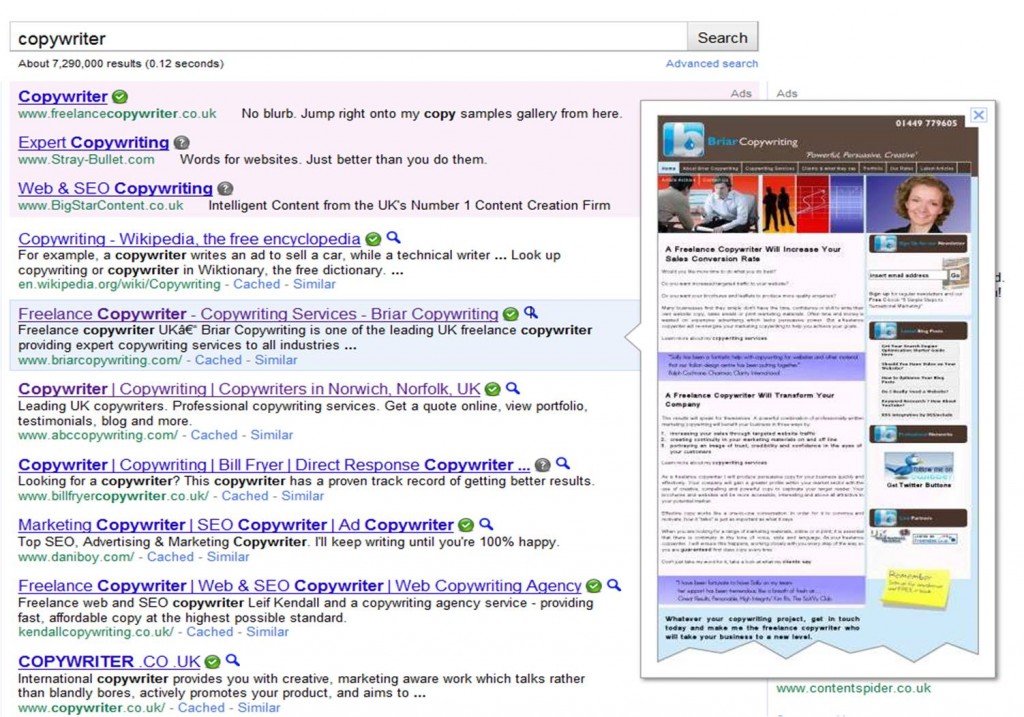
One of the most recent changes that you’re bound to have noticed is the introduction of Google Instant Preview.

Now, when you enter a search term in the Google search box, each of your results will have a little magnifying glass next to it. Designed to help you search smarter, by clicking on the magnifying glass you bring up a preview of the web site so you can see in an instant whether it’s going to be of interest to you. Google instant preview

So now, rather than having to open a site, scan it, realise it’s not for you, hit the back browser and start all over again – you can scan the results without leaving the page to find the website that’s going to offer you what you’re looking for.

How does that effect SEO?

Well, to be honest, no one is really sure at the moment. But what it does mean is that you have to be sure your website is maximised to attract the click-through. Basically you have to make sure that the preview gives them the information they need to choose you.

Here are a few things you can do to tip the balance in your favour:

Say farewell to flash

As you know, flash is not good for SEO because the search engine spiders have a tough time crawling it and are unable to distinguish between normal text and the more prominent heading text (i.e. H1, H2 tags etc.)

An added complication now arises with the arrival of Google Instant Preview because the Preview can’t render the flash element of your website leaving it looking rather distorted and unattractive.

Basically if you want your website to shine, ditch the flash.

META Descriptions

You already know that your META Description doesn’t have a direct effect on your SEO as far as ranking position goes. But it comes into its own when it comes to attracting click-throughs.

The 150-160 characters must convince the searcher that your website is worth checking out because it offers the information they need to know. If you want your magnifying glass to be clicked make sure your META Description tells them what they need to know by including your keywords.

Headings

The size of the preview means the reader isn’t going to be able to make out all the text on your website. That’s why it’s imperative that you use good, descriptive headings within your site that contain your keywords.

By acting as sign posts, they will show the reader what information is available on your web page so their decision to click will be based on what they can see – your headings, layout and images.

Images and Alt tags

Using the right images can make your website. They should be relevant and interesting enough to lure your reader in. Also, to give your SEO as much of a boost as possible, you must also ensure you utilise their Alt tags and filenames making them descriptive, relevant and contain your keywords.

It doesn’t matter what line of business you’re in - a copywriter, electrician, solicitor or builder – these 4 techniques will help boost the attractiveness of your website.

In the ways of the web, looks and substance are both needed if you want to attract traffic. Remember the preview shows only a reduced scale version of your website so you’ll needs as many visual cues as possible to get the click.

Related Posts with Thumbnails